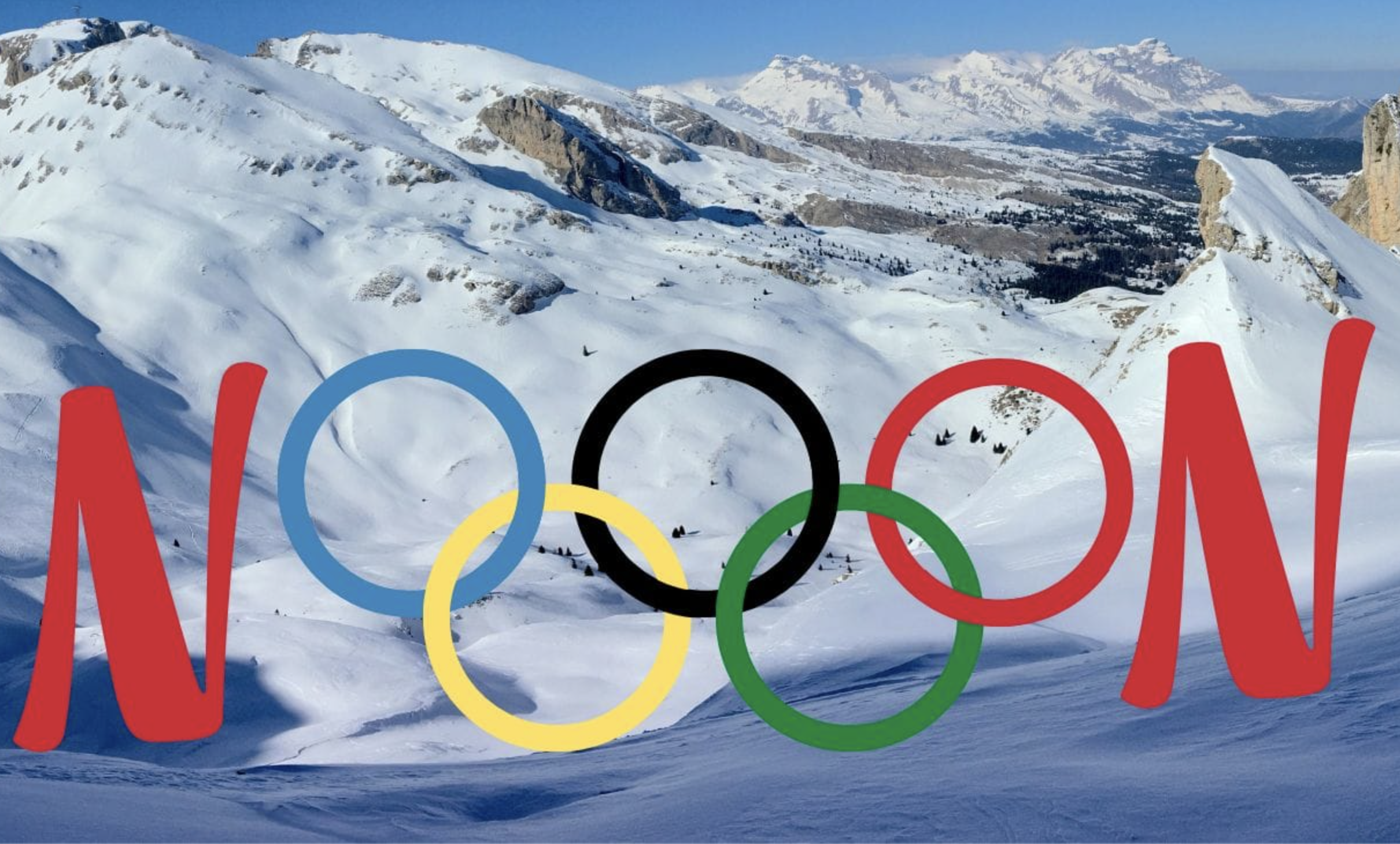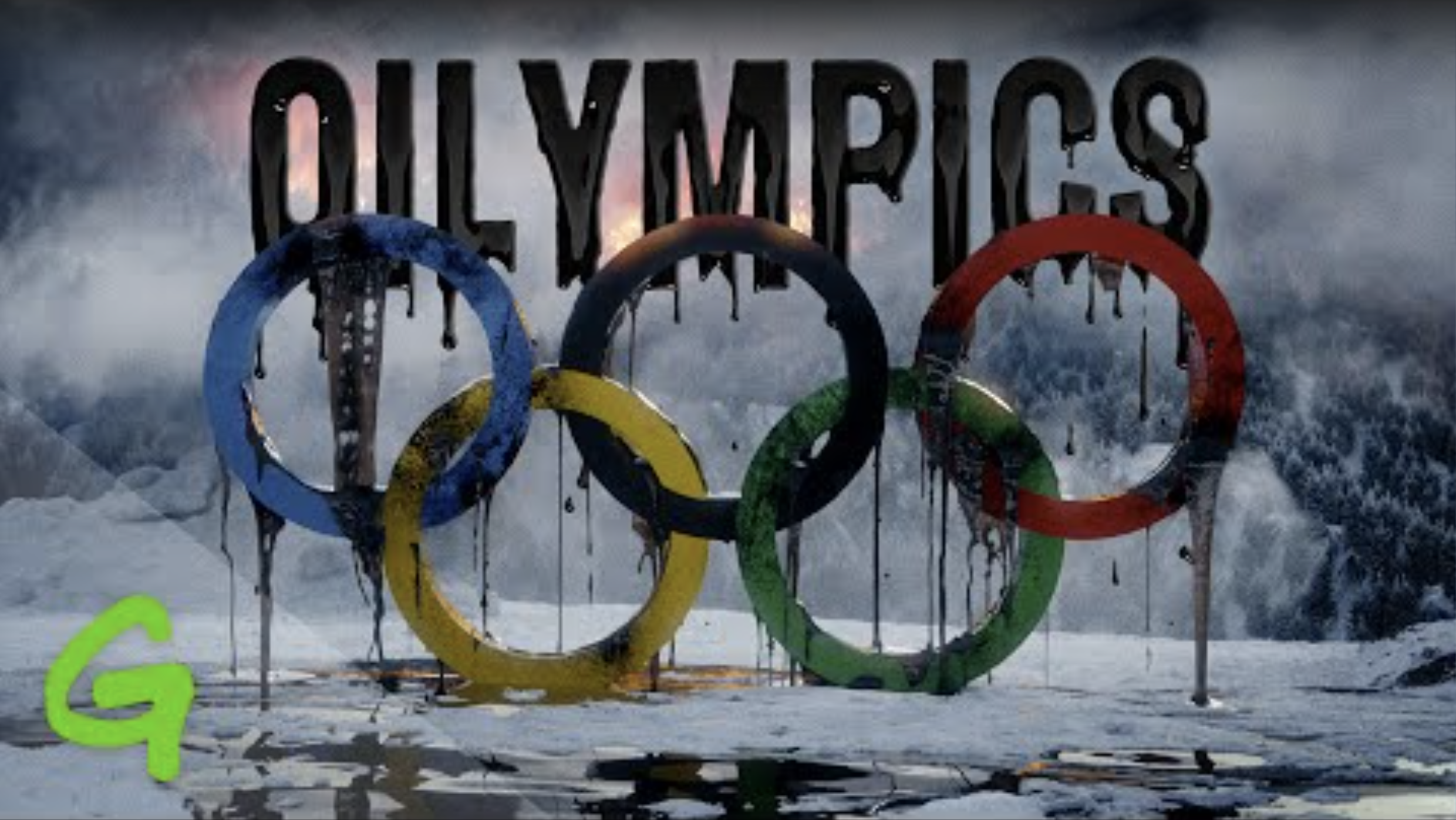

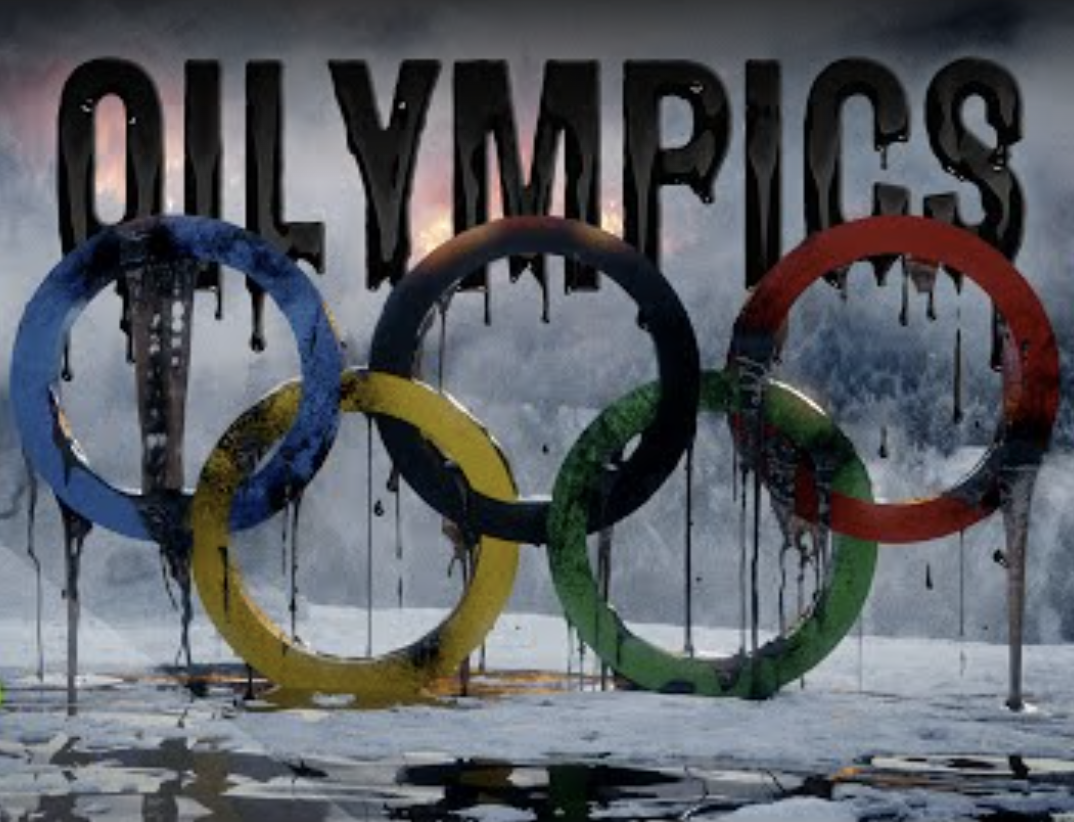


The Winter Games in Italy 2026 are Sponsored By Eni, Italy's Biggest Oil Company and Carbon Polluter
The sponsorship is causing 1 million tonnes extra CO2e and is destroying the credibility of the Winter Games.
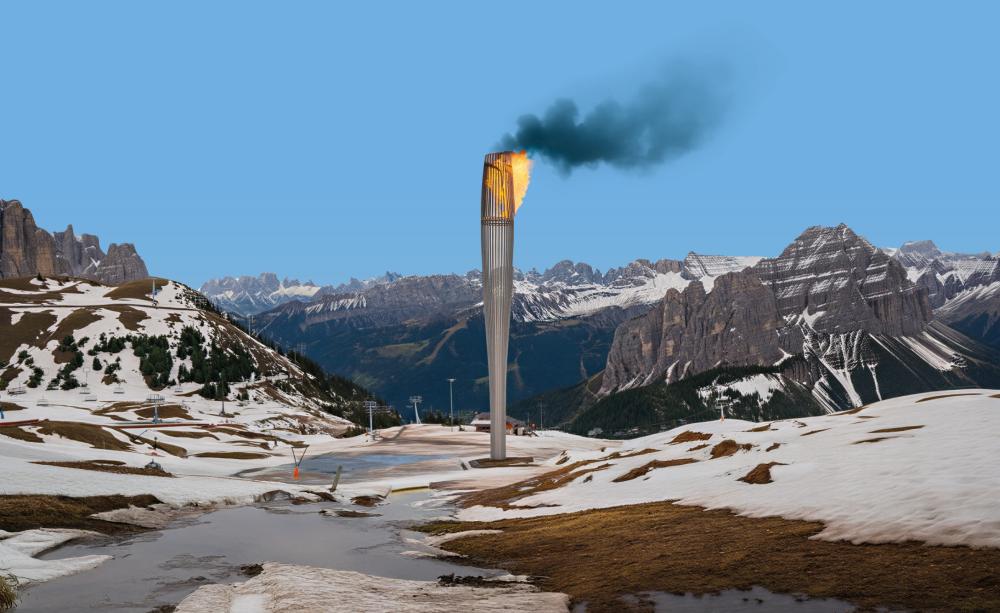
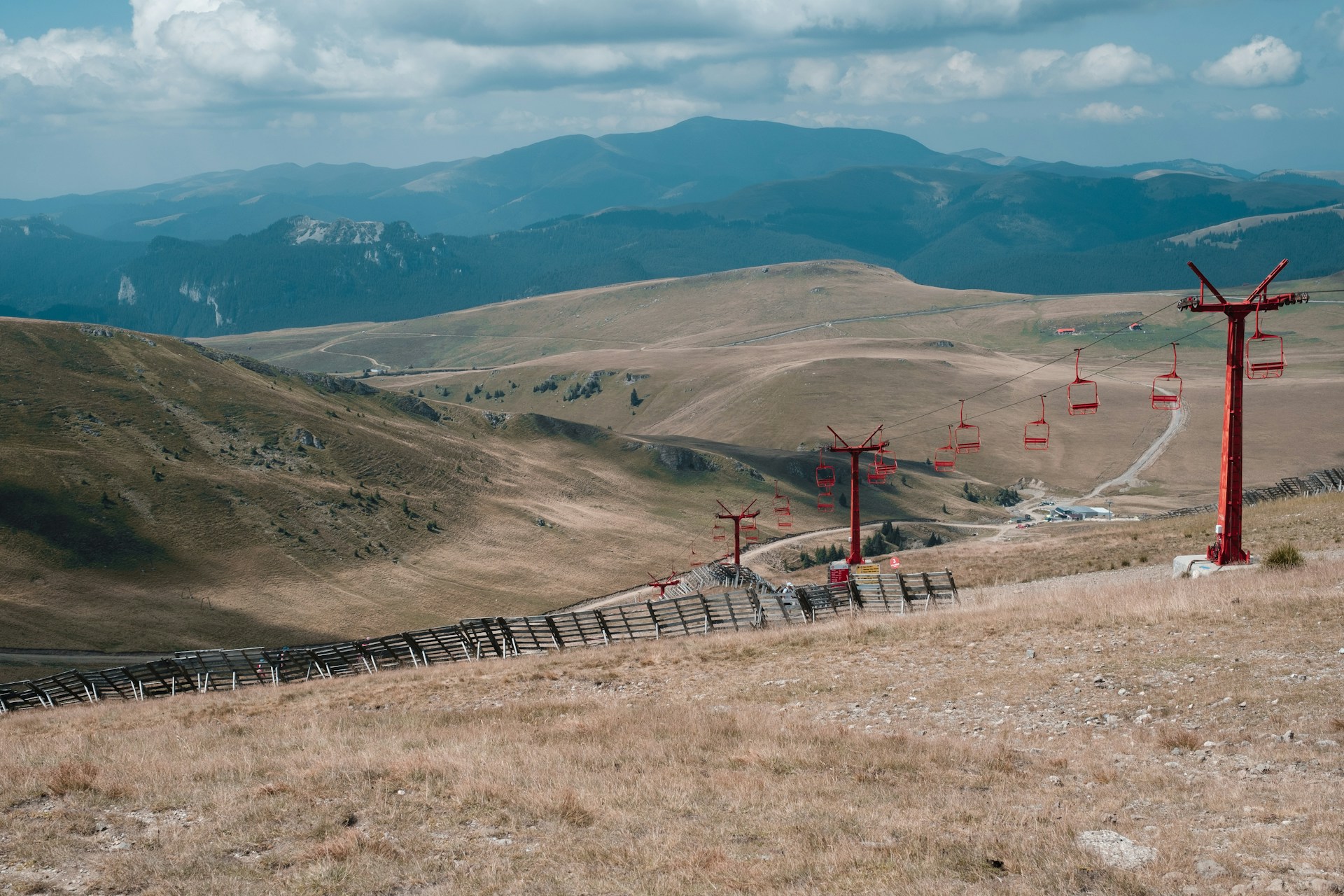
The Future of the Winter Games?
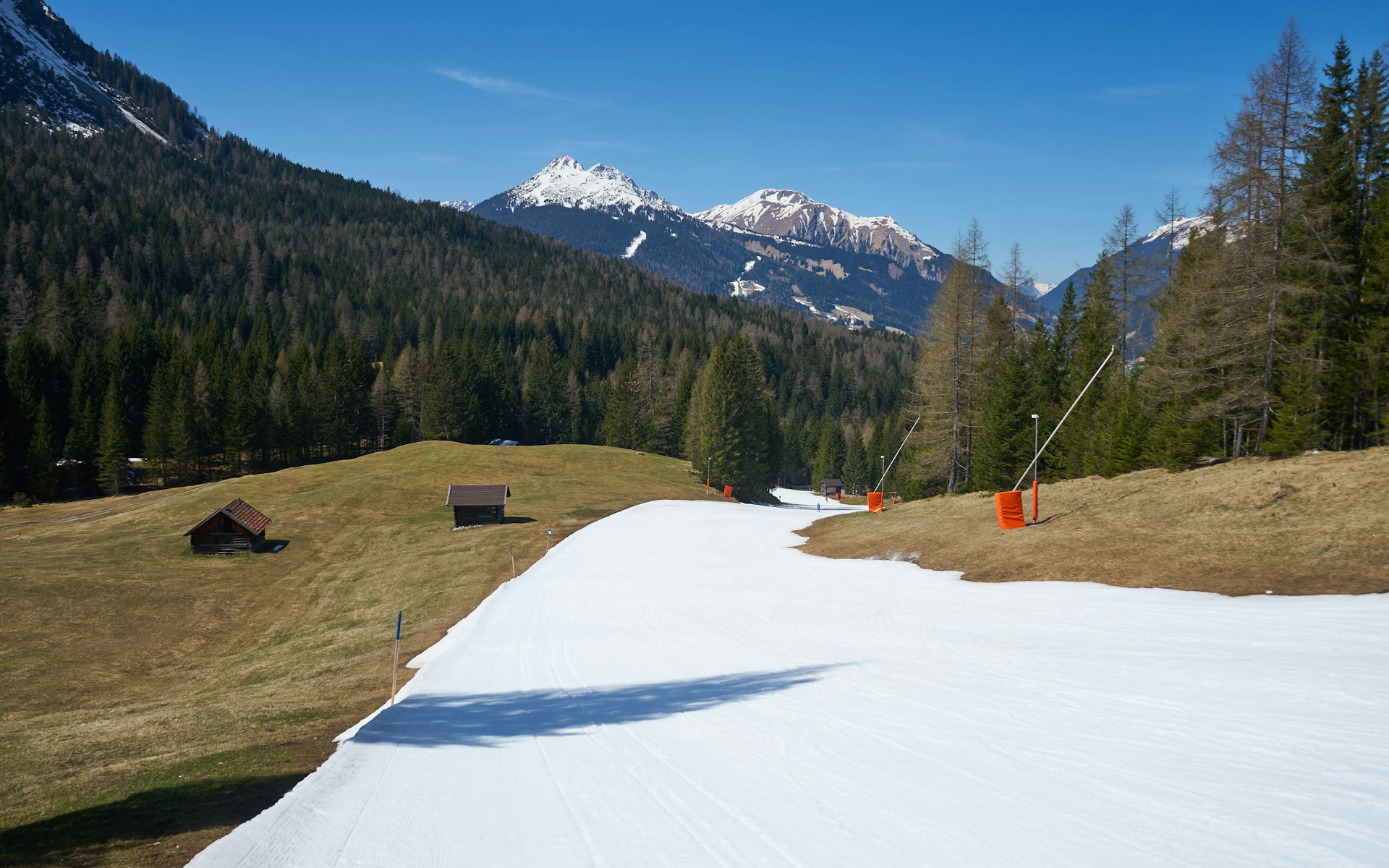
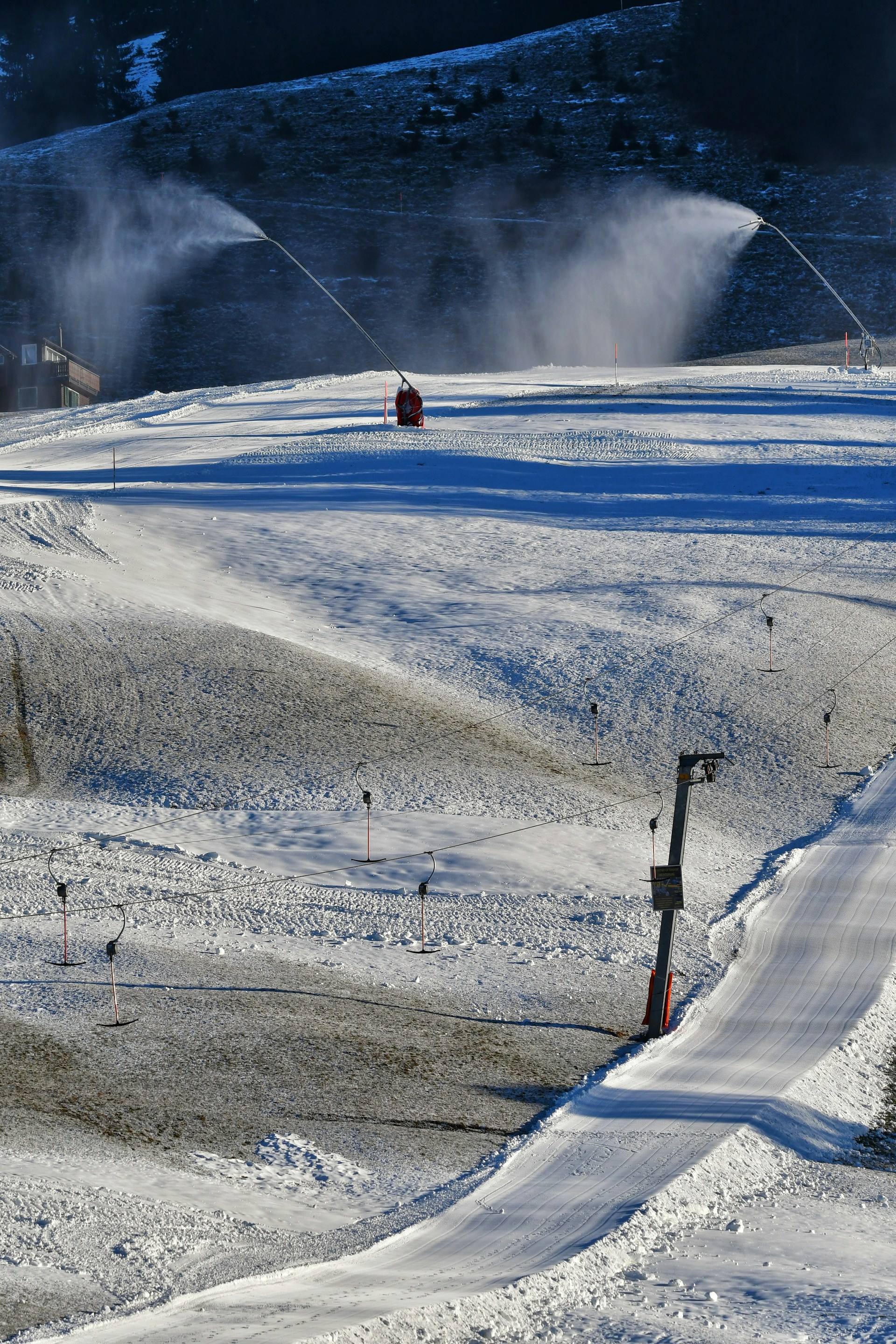
The Slush Ski Cross Finals Were Wet and Muddy
Will the Snow Patches be Big Enough for the Ski Patch Jump Competition?
Newly Introduced Glacial River Rafting Cancelled Due to Flooding and Strong Currents
Italy Claims Victory in the Winter Games Firefighting Finals
Get involved!
Demand that the Winter Games stop fossil ads and sponsorships! Tell the Winter Games organisers on every social media to stop collaborating with oil companies. Let them know how you feel!
Email the organisers
Pick the national Olympic committee you want to reach and send them a message urging them to protect winter sports from fossil fuel sponsorship.
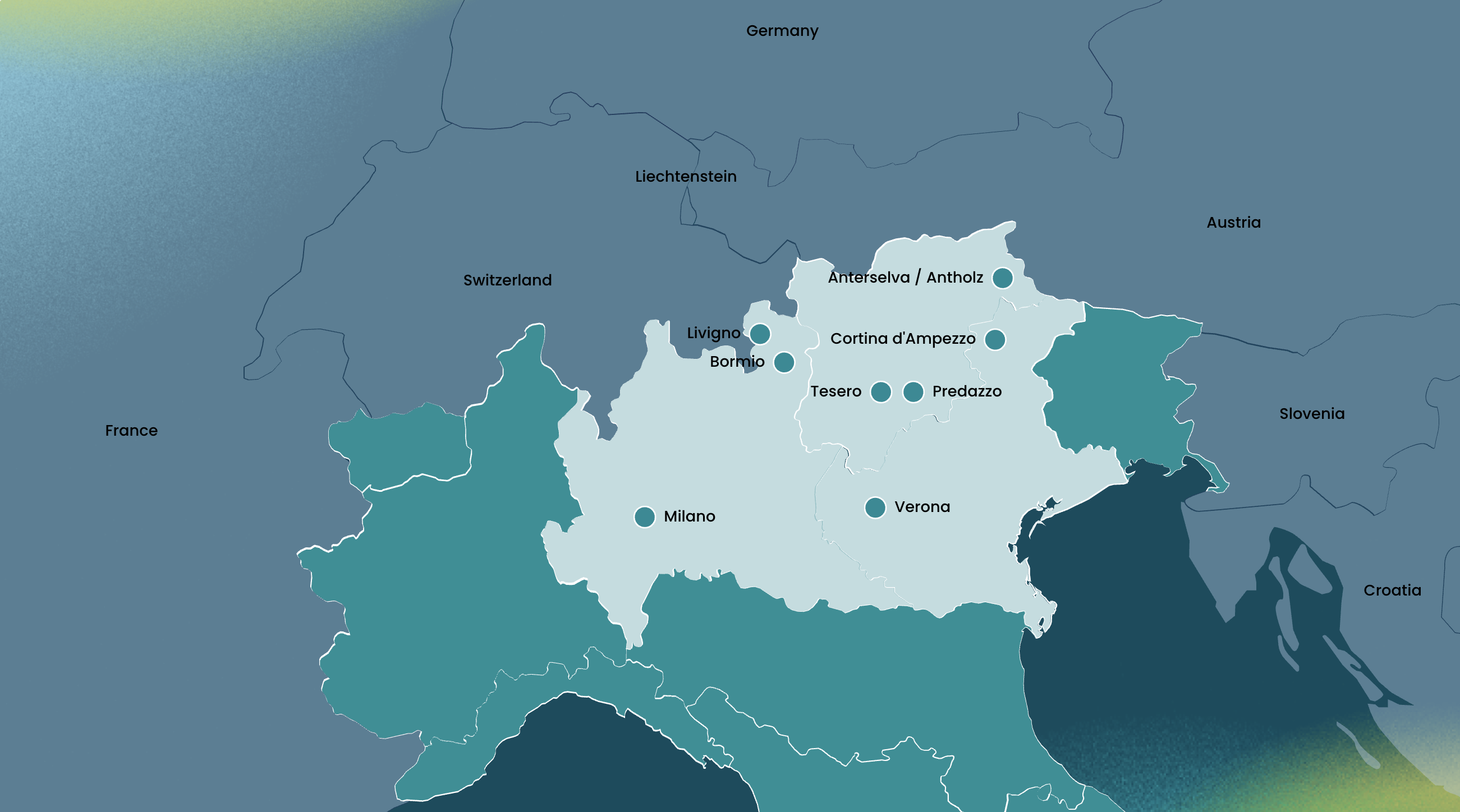
The Winters are Changing
See how the locations of the 2026 Winter Games are shifting due to climate change.
The fossil free declaration. Athletes take a stand!
The Fossil Free Declaration invites athletes, sports organisations and fans to take a stand against fossil fuel sponsorship in sport. A commitment to climate leadership!
Sign the fossil free declarationVoices on Climate Change and Winter Sports
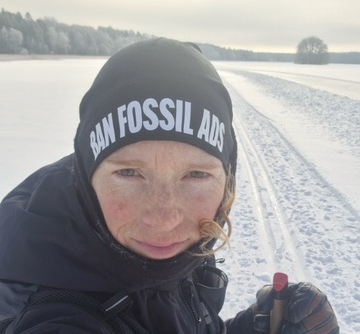
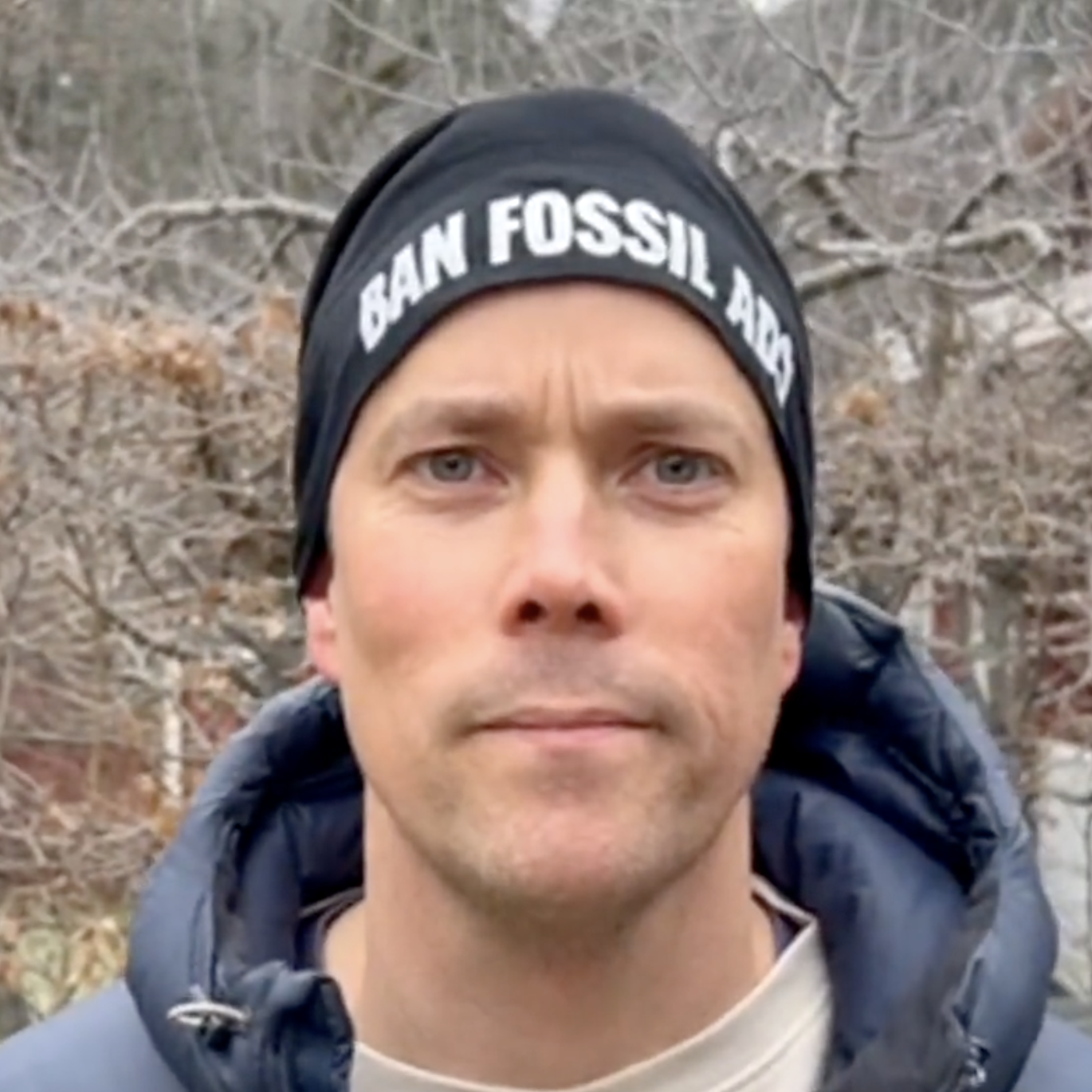
"I want winters with snow and ice. Stop fossil fuel dependence and fossil fuel advertising!"-Karolina Isaksson
Reject new fossil sponsorships, phase out existing deals and advocate for change.-The Fossil Free Declaration
Read more & sign!
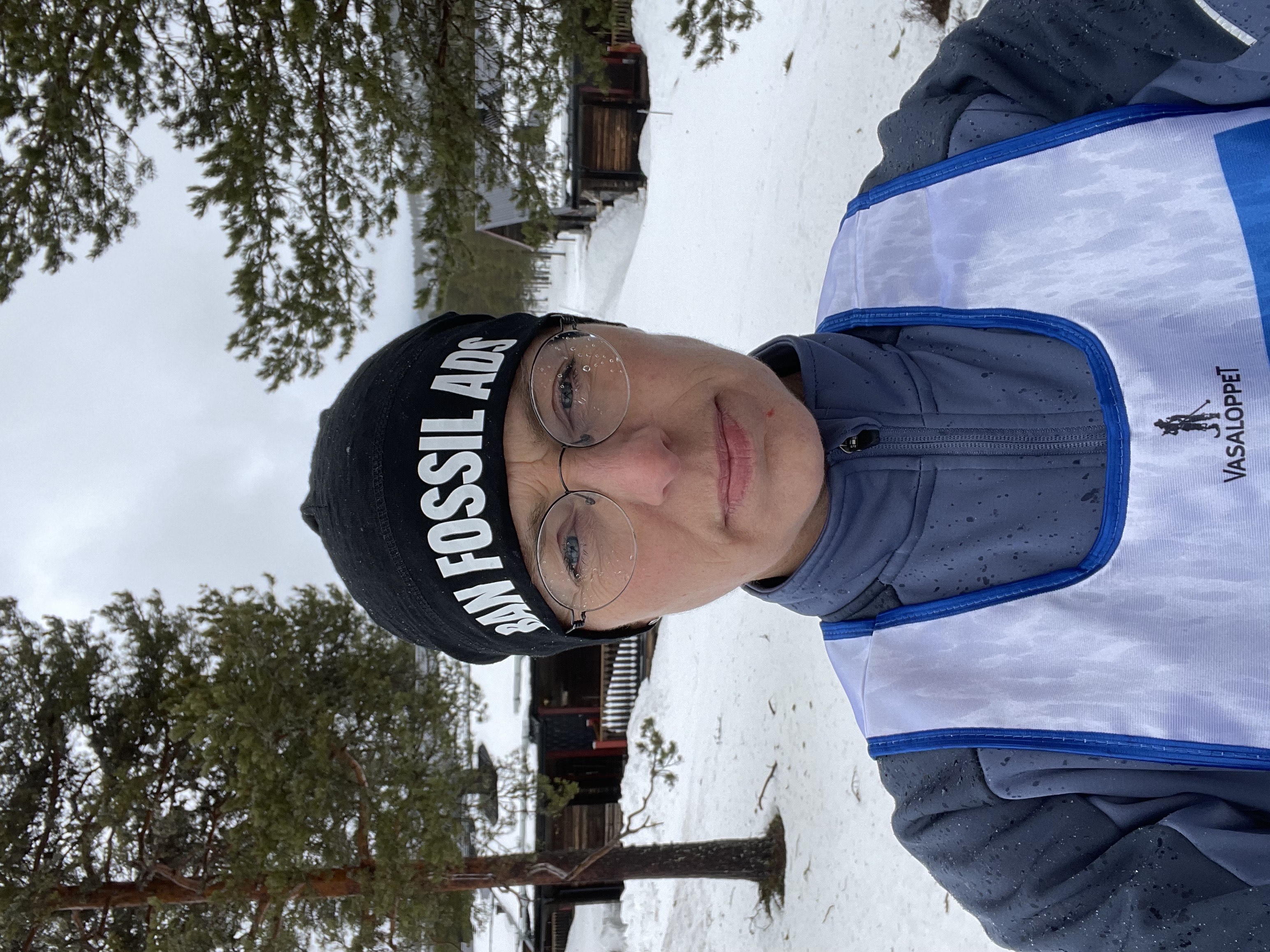
"We must end our fossil fuel dependence! Sponsorship by an oil company can never be sustainable. The Winter Olympics must take climate responsibility and stop Eni’s greenwashing!"-Sara Orstadius
"The ancient Olympics banned those who corrupted the spirit of the Games. Today, fossil fuel giants would be first on that list."-Emil Johansson
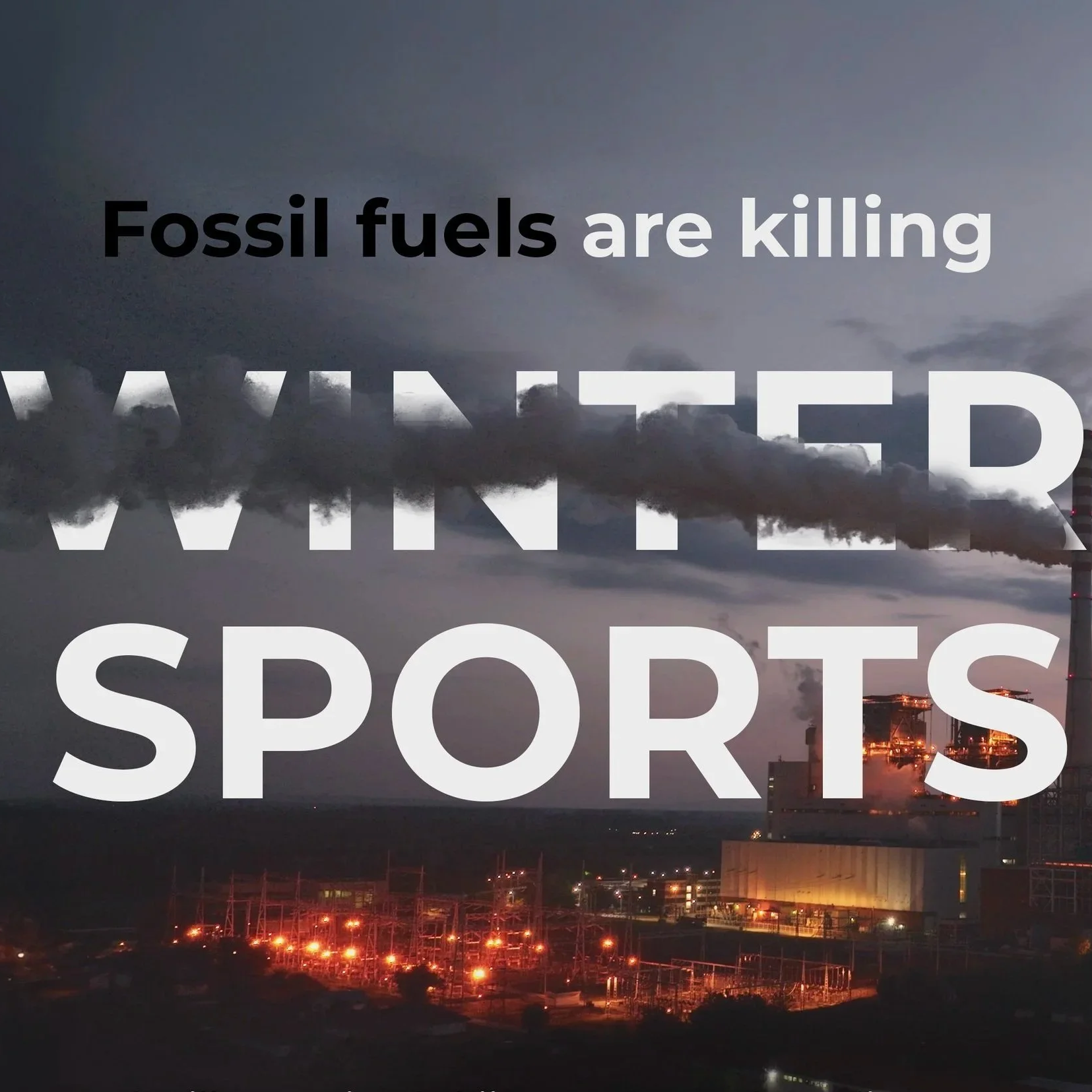
Fossil fuels are killing winter sports!-Ski Fossil Free
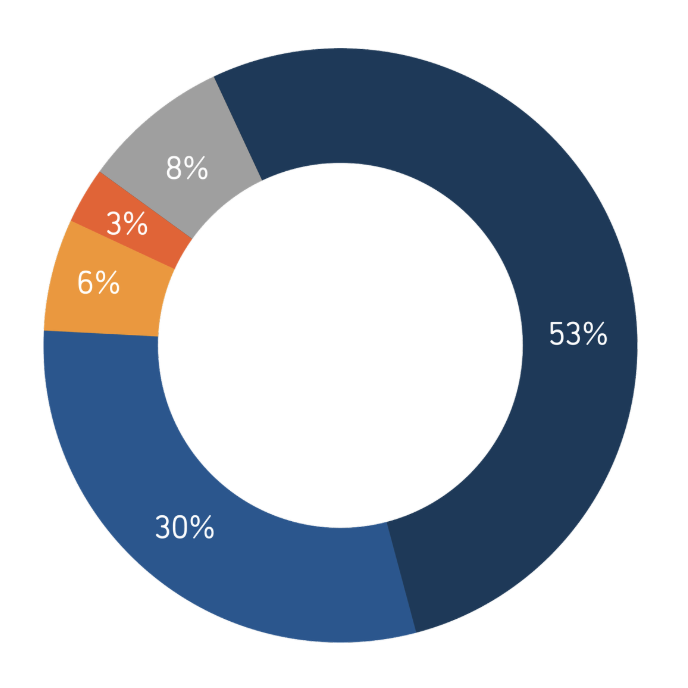
X% of Italians Lorem Ipsum Dolor Sit Amet
Most Swedes Want Fossil Sponsors Gone From Winter Sports
French Youth Reject Oily Ads in Sports
The World of Winter Sports Sponsorships is Changing
Swedish Vasaloppet Parts Ways With Oil Company Preem
Oil Company Equinor Leaves Norwegian Skiing and Football
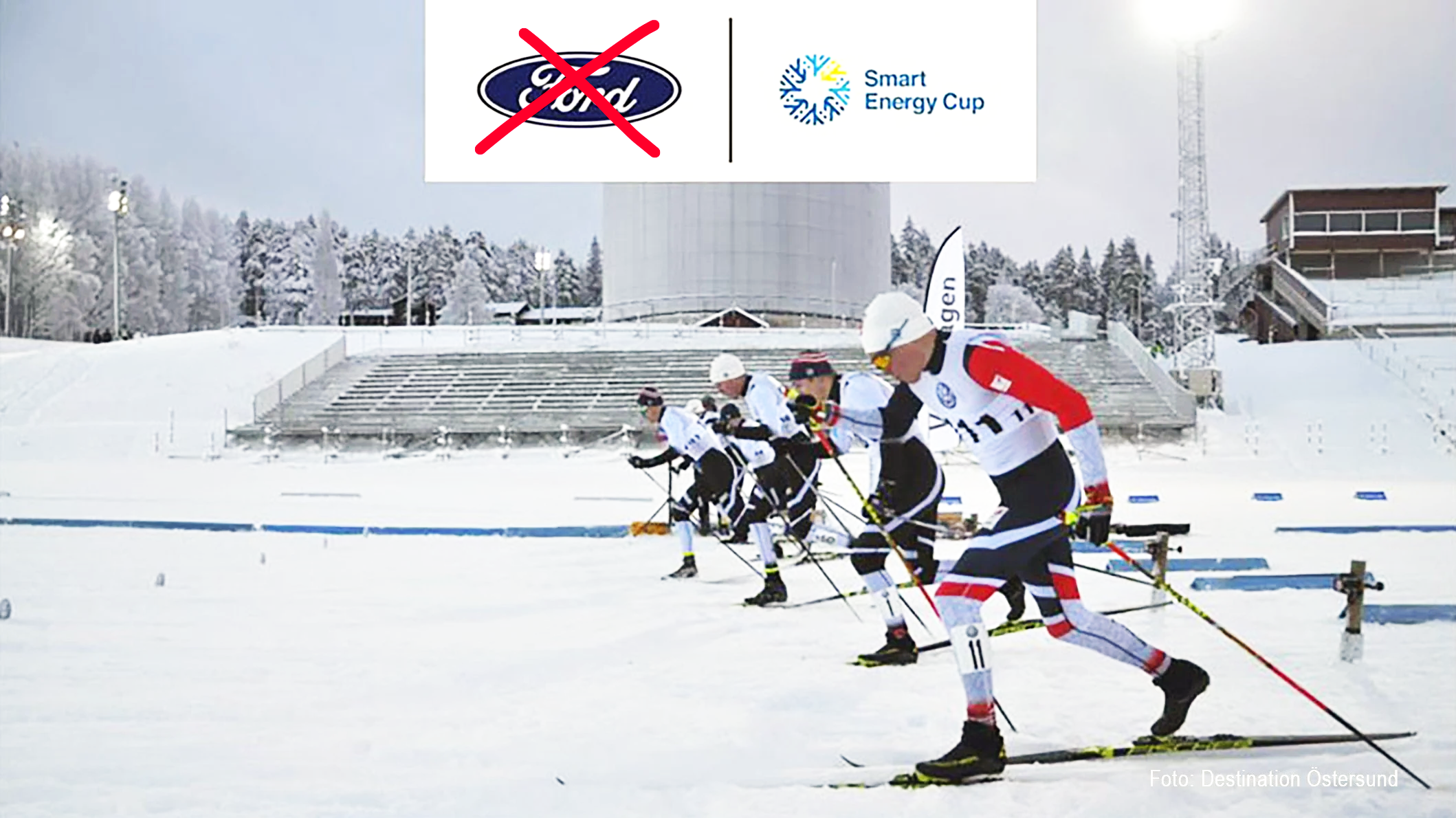
Ford is out of the Ford Smart Energy Cup
55 Professional Skiers Signs Open Letter Urging Vasaloppet to Cut Ties With Fossil Sponsors
29 Pro Skiers Urge FIS to Ban Fossil Ads
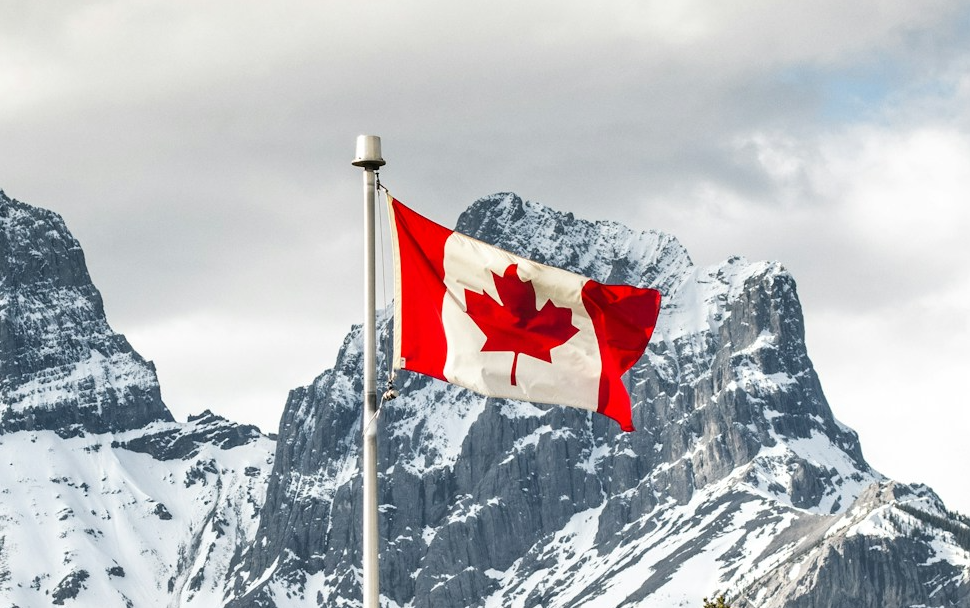
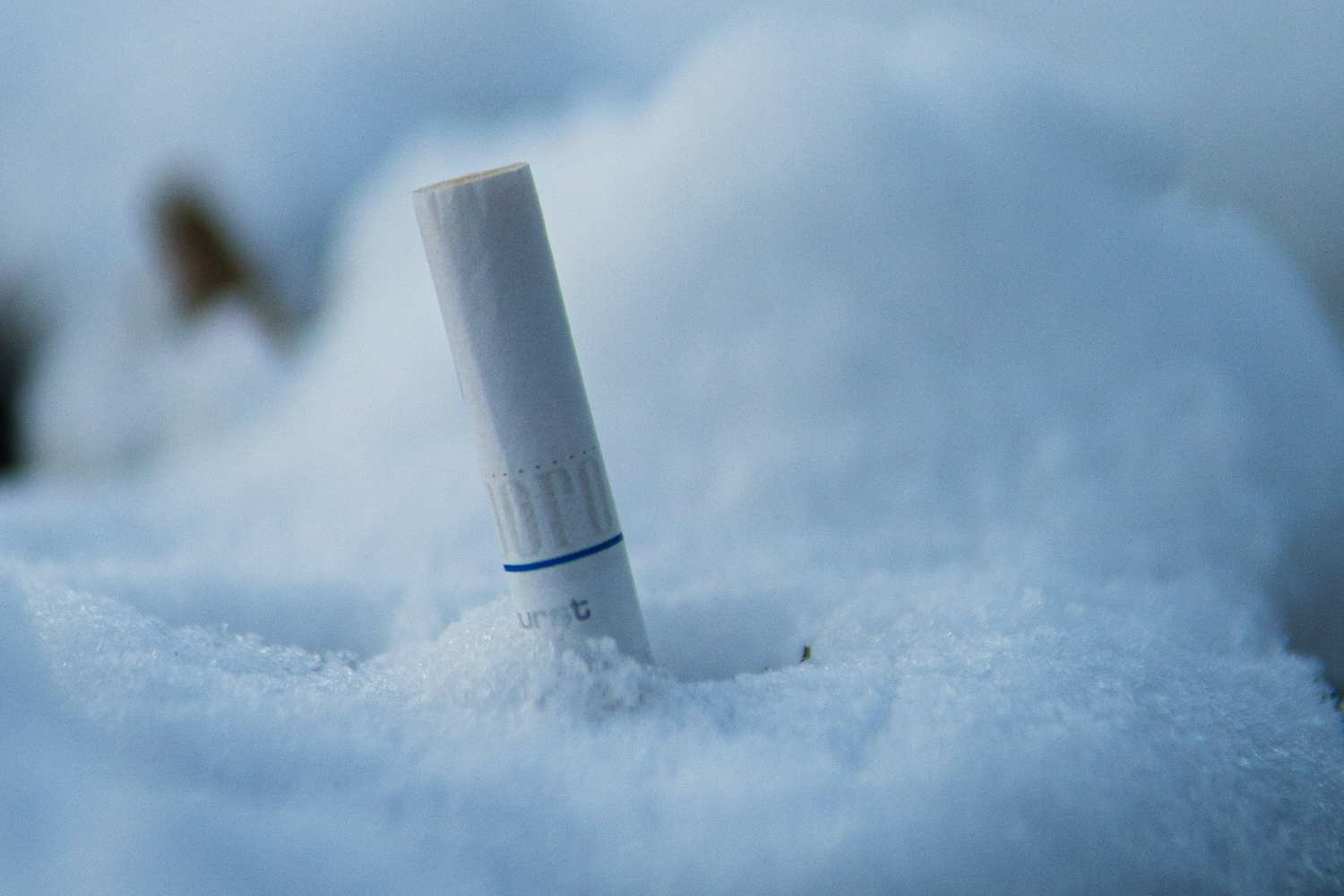
How the Games Stopped Smoking in Calgary
When the Canadian Olympic Committee rejected tobacco advertising it paved the way for a global ban on tobacco sponsorship in sport.
Organisers took a stand for public health over corporate profit. The same commitment is now needed to end fossil fuel sponsorships.
Read moreFrequently Asked Questions
What is climate change?
Climate change describes long-term shifts in temperatures and weather patterns driven by natural processes and, increasingly, by human activity. The main reason is human emissions of carbon dioxide (CO2) and other greenhouse gases.
Since the industrial era, rising greenhouse gas emissions have warmed the planet by more than 1 °C, with Europe heating faster than the global average. Estimates show that the current trend will lead to a rise in the global temperature with 2–3°C by the year 2100.
What are the main human drivers of climate change?
Burning coal, oil and gas for power, heat, transport and industry releases large amounts of carbon dioxide, the leading human-made greenhouse gas.
Deforestation, intensive agriculture and waste management add methane and nitrous oxide, which trap even more heat in the atmosphere.
How is climate change affecting Europe today?
Europe is experiencing more frequent heatwaves, intense rainfall and longer droughts, putting pressure on public health, agriculture and energy systems.
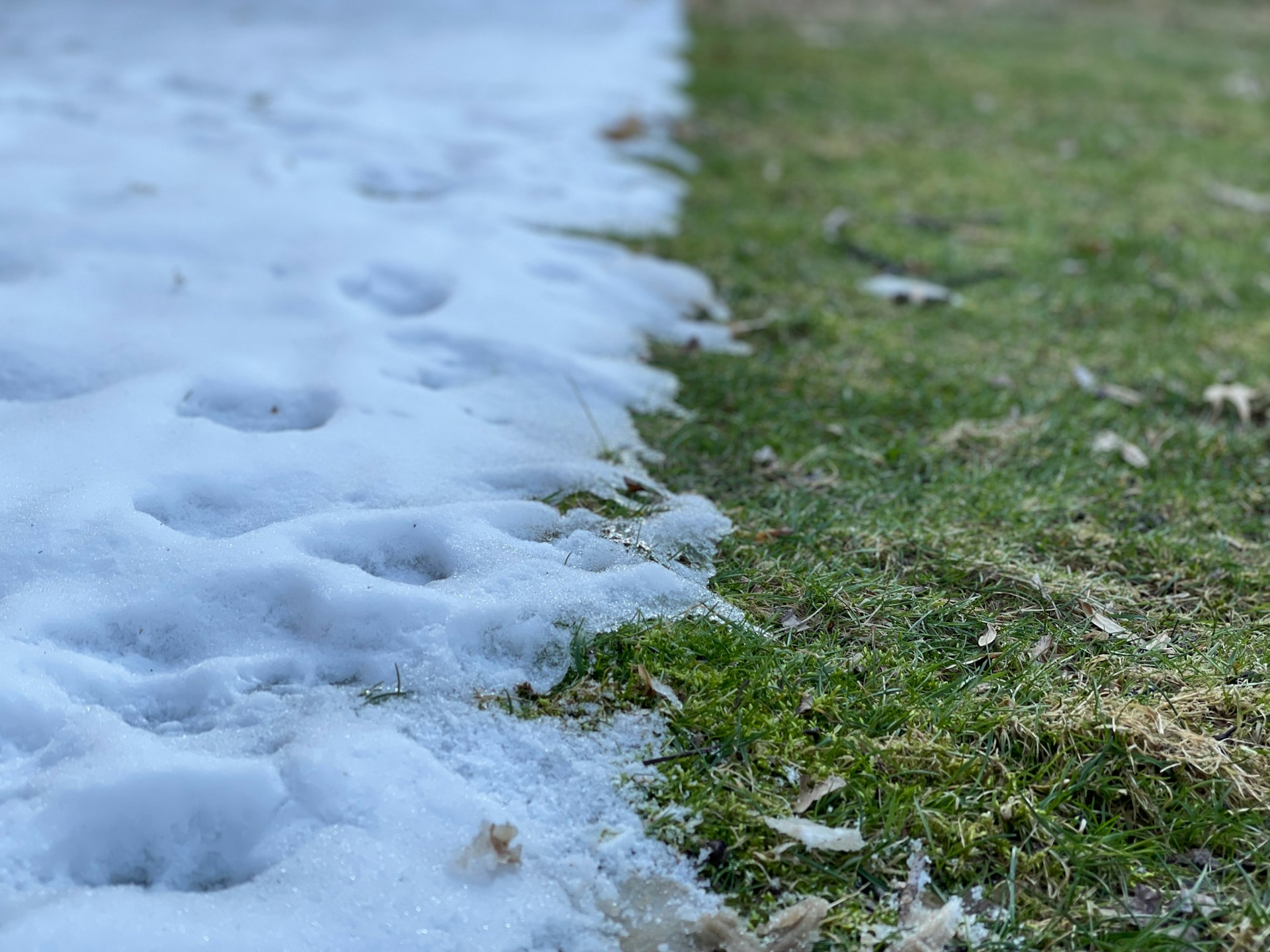
Snow cover is decreasing and glaciers are melting. Coastal regions face rising sea levels and stronger storm surges, while central and southern areas contend with water scarcity and wildfire risks.
Why are the Alps warming faster than the global average?
Snow and ice normally reflect sunlight, but when they melt earlier in the season the exposed rock and soil absorb more heat, accelerating temperature rise.
Thin alpine air also holds less moisture, limiting the cooling effect of evaporation and making high-altitude regions especially sensitive to climate change.
What is happening to glaciers in the Alps?
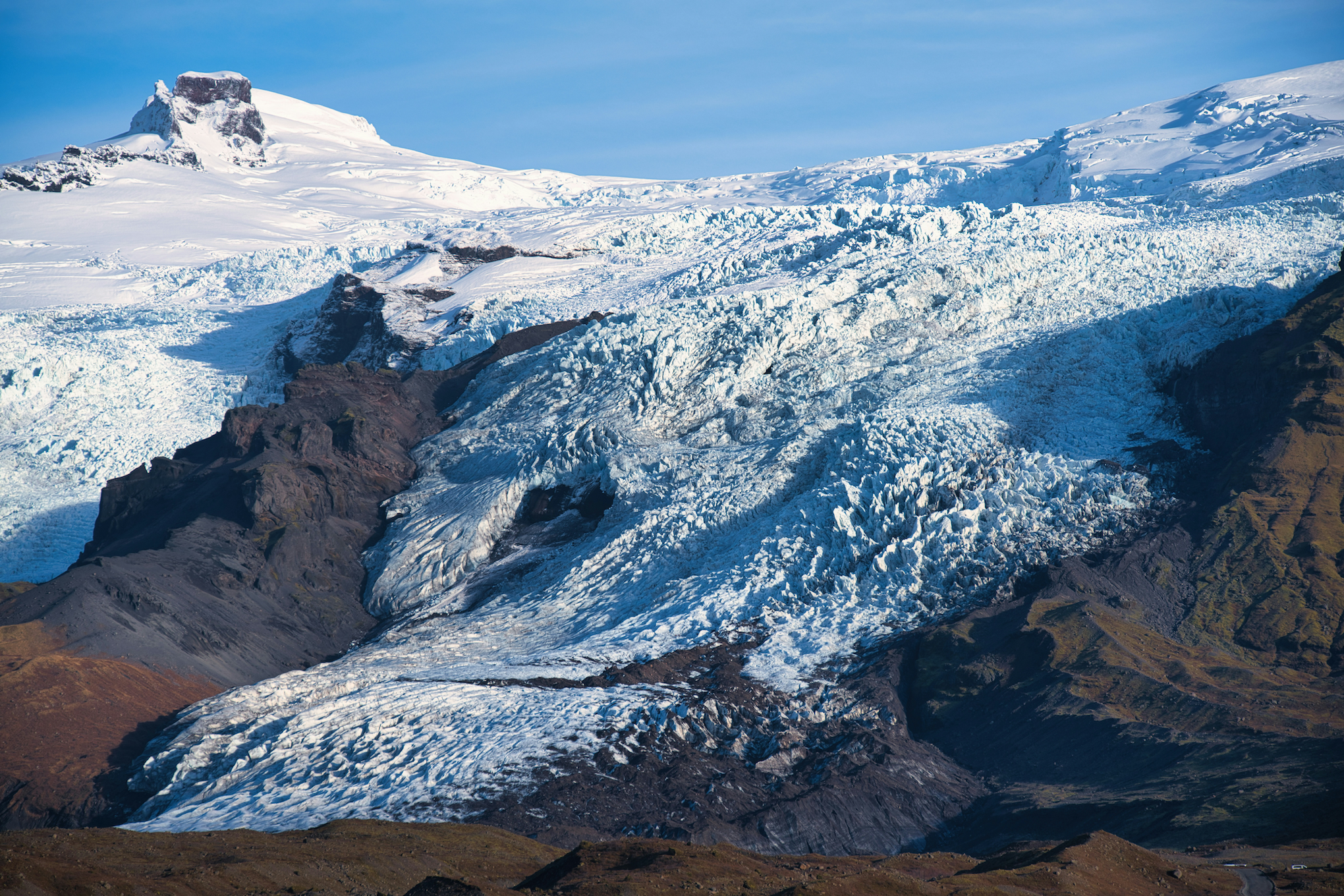
Alpine glaciers have lost significant ice mass in recent decades, with several valleys recording record melt rates during the summers of 2022 and 2023.
As the ice retreats to higher elevations, iconic glaciers such as the Mer de Glace and the Presena Glacier continue to shrink in both area and thickness.
How does glacier loss affect daily life in Alpine regions?
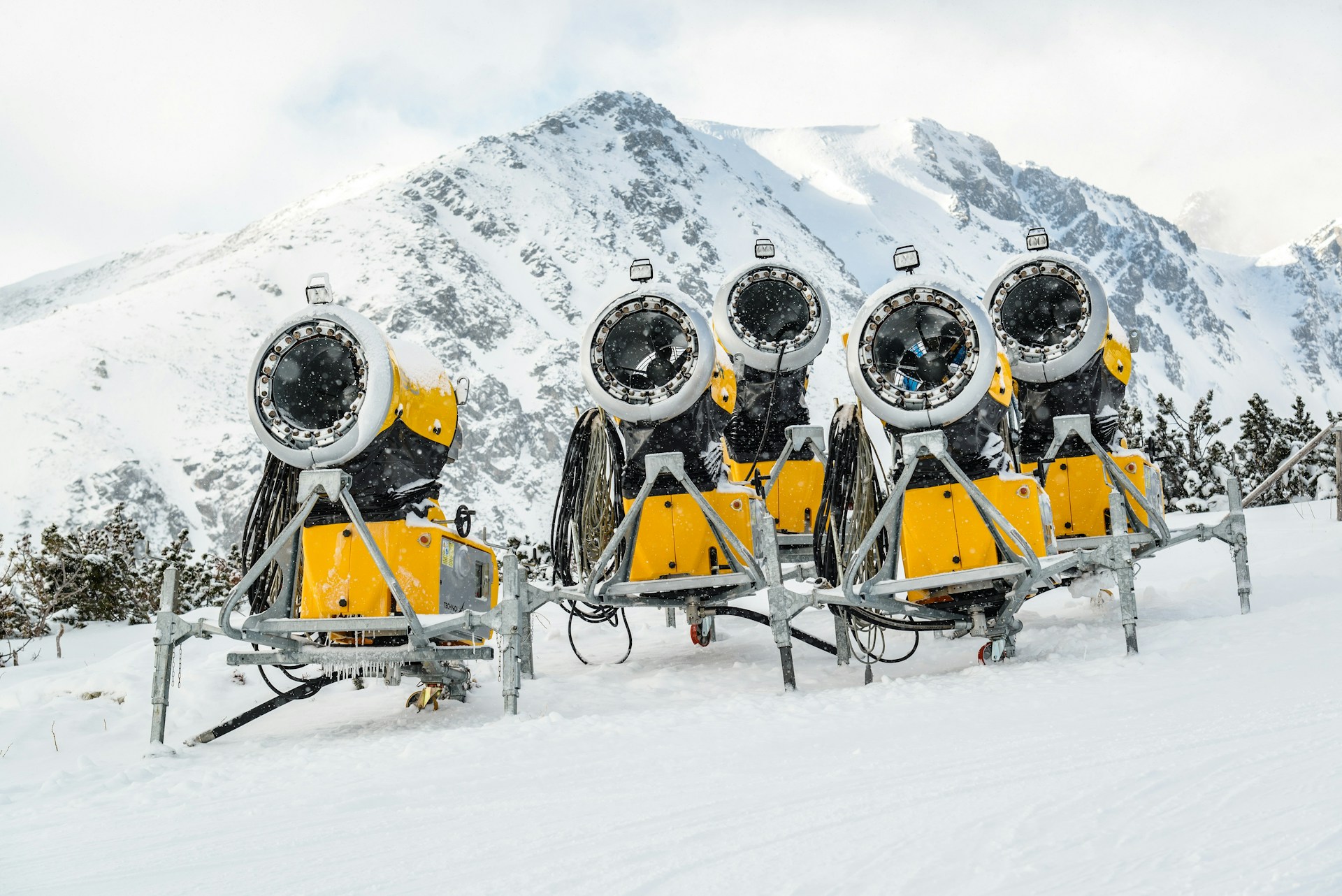
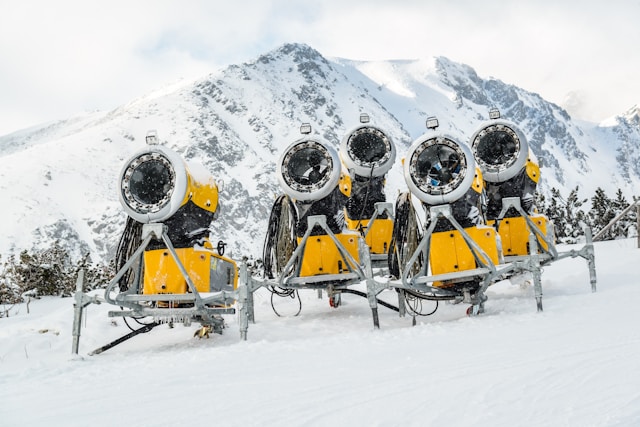
Communities that rely on consistent snowpack for winter tourism face shorter seasons and higher costs for snowmaking as nearby glaciers shrink.
Meltwater variability influences drinking water, agriculture and hydropower, making long-term planning more complex for residents across Italy, Switzerland and Austria.
What can individuals do to reduce their climate impact?
Choosing renewable electricity, improving home insulation and eating more plant-based meals all cut personal greenhouse gas emissions.
Opting for low-carbon transport such as walking, cycling or public transit lowers pollution and improves local air quality.
How are Alpine towns adapting to climate change?
Mountain municipalities invest in early warning systems for floods and landslides, diversify tourism beyond skiing and restore forests to stabilise slopes.
Cross-border cooperation helps coordinate river management, emergency planning and ecosystem restoration from the Dolomites to the Western Alps.
Where can I learn more about climate science and policy?
The Intergovernmental Panel on Climate Change (IPCC) publishes assessments that summarise climate science and outline mitigation and adaptation pathways.
European resources such as the European Environment Agency and the EU Climate Adapt platform provide region-specific data, case studies and policy updates.
What is fossil fuel sponsorship?
This is when large companies that sell products that are particularly harmful to the climate, sponsor events in exchange for advertising their products. In effect, gas and oil companies, airlines and manufacturers of cars with internal combustion engines.
The advertising leads to increased sales, which results in greater emissions. Often, the resulting emissions are greater than those caused by the event itself, including travel.
Which places will not be able to hold winter olympics in the future?
According to a scientific report, if we continue down the path we are on now, we are left with about four climate-reliable locations by 2050, and we're down to one city by 2080.
The four cities projected to remain climate-reliable in 2050 are Lake Placid, New York, Lillehammer and Oslo, Norway, and Sapporo, Japan. Of the above, the only climate-reliable city by 2080, will be Sapporo.